
Blow Moulding Explained: How a Plastic Bottle Is Made
Almost every plastic bottle is made by blow moulding: a hollow tube or pre-shaped piece of hot plastic is placed inside a mould and inflated with compressed air until it takes the shape of the mould. The differences between the methods lie in how that first piece of plastic is made.
1. Extrusion blow moulding (EBM)
Plastic granules are melted and pushed out as a hanging tube called a parison. The mould closes around it, air is blown in, and the bottle is cooled and trimmed. EBM is ideal for HDPE bottles, jars, jerry cans and handled containers, and for bottles with handles or unusual shapes.
2. Injection blow moulding (IBM)
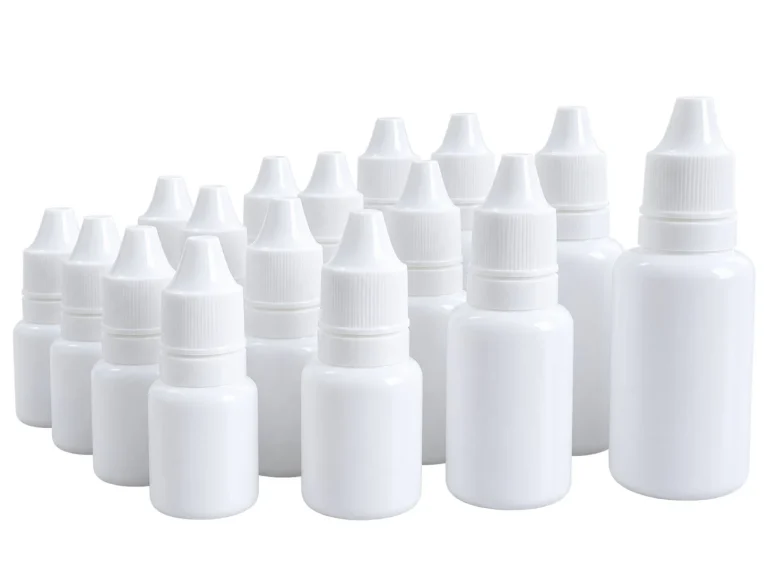
Here the plastic is first injection-moulded around a core pin to form a pre-shape with a finished neck, then transferred to a blow mould and inflated. Because the neck is injection-moulded, it is extremely accurate — which is why IBM is used for small pharmaceutical bottles, droppers and cosmetic bottles where the cap fit must be perfect.
3. Stretch blow moulding (PET)
PET bottles start life as a preform — a small test-tube-shaped piece with the neck already formed. The preform is reheated, stretched lengthwise with a rod and blown outward at the same time. Stretching lines up the PET molecules, giving the bottle its clarity, strength and gloss. This is how syrup, water, juice and edible-oil bottles are made.
4. Injection moulding for caps and accessories
Caps, closures, measuring cups and spoons are not blown at all. They are injection moulded: molten plastic is injected into a closed steel mould and cooled, producing a solid, precise part in a few seconds.
Which process is right for you?
It depends on the material, the size, the neck finish and the quantity. Tell us what you are packing and how many you need, and we will recommend the process and mould that give you the best result at the right cost.