HDPE vs PET: Choosing the Right Plastic Bottle for Your Product
When a new product is ready for the market, one of the first packaging questions is the material. For most bottles and jars the choice comes down to two plastics: HDPE (high-density polyethylene) and PET (polyethylene terephthalate). Both are food- and pharma-safe, both are recyclable, and both are moulded every day at our Chawkbazar factory — but they behave very differently.
HDPE: tough, opaque and light-proof
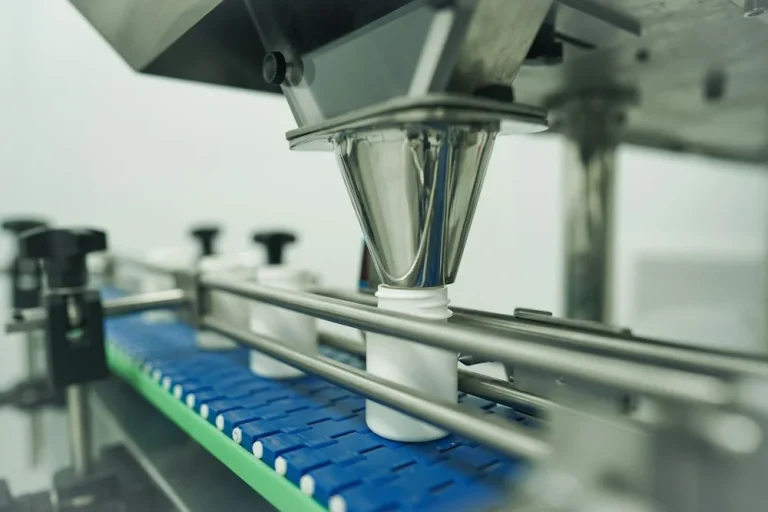
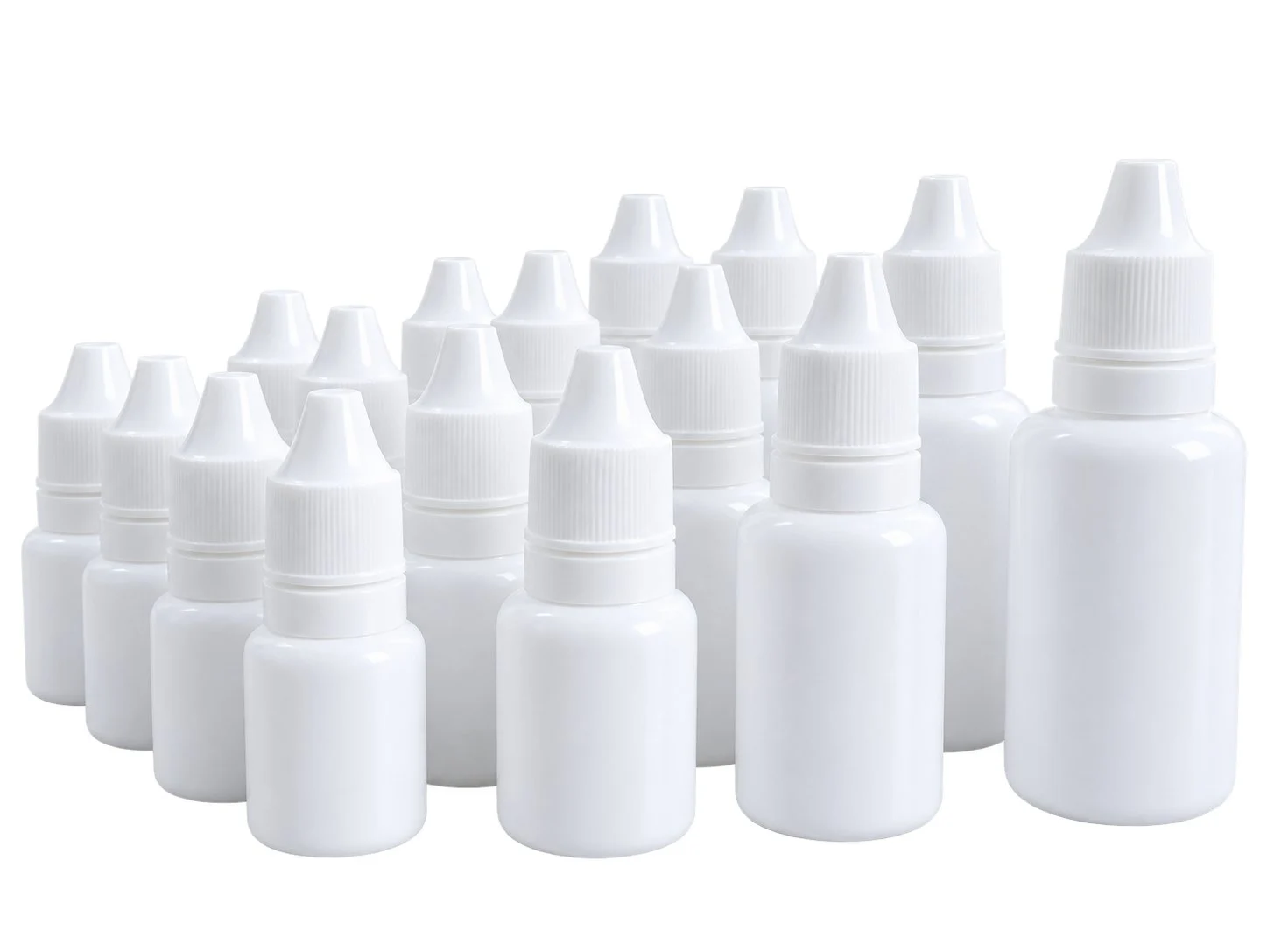
HDPE is naturally milky white and is usually supplied opaque. That makes it the standard choice for tablets, capsules, powders and light-sensitive liquids, where the contents must be protected from light and moisture. It is also impact-resistant and slightly flexible, so it survives drops and rough handling well.
- Tablet and capsule bottles, supplement jars
- Veterinary powders and liquids
- Lubricant, engine-oil and detergent bottles
- Squeeze bottles for lotions and cleaners
PET: crystal clear and rigid
PET is glass-like and transparent, so customers can see the product inside. It is rigid, has a premium look and is a good barrier against oxygen, which is why it is used for syrups, beverages, edible oil and cosmetics. PET can also be tinted — amber PET, for example, protects light-sensitive syrups while staying lighter and safer than glass.
- Syrup and suspension bottles (clear or amber)
- Drinking water, juice and soft-drink bottles
- Edible-oil bottles
- Cosmetic and toiletry bottles
Quick guide
| If your product needs… | Choose |
|---|---|
| Protection from light and moisture | HDPE |
| A clear, premium shelf look | PET |
| A squeezable bottle | HDPE |
| Rigid, glass-like feel | PET |
| Light-sensitive liquid you still want to show | Amber PET |
Not sure which is right for you? Send us the product, the fill volume and the cap type you have in mind, and our team will suggest the material and an existing mould — or a custom one.